The Miiyauw Font: A Sweet Display Typeface for Brand Builders
I was standing at my kitchen island, a stack of freshly printed candle labels fanned out in front of me. The scent was perfect—cedar and vanilla, just the right balance of cozy and clean. But every time I looked at the label, something felt off. The font I’d been using for months was practical, a neat sans serif that did the job. But it didn’t feel like me. It didn’t feel like the warmth I wanted people to experience when they unwrapped one of my jars. That’s when I started digging through display fonts, looking for something that could add a little sweetness without being overly fussy. That’s when I found Miiyauw.
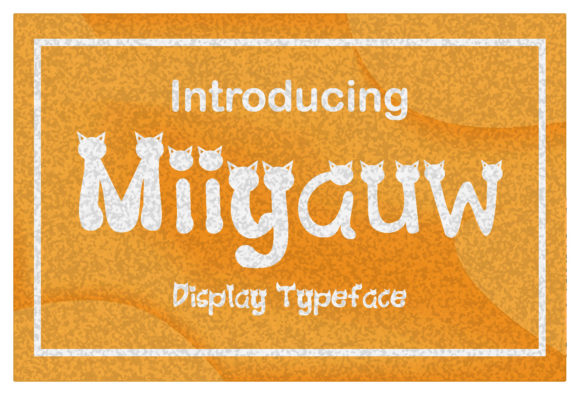
Miiyauw is a sweet and unique display font that carries a gentle, joyful personality. It’s the kind of typeface that feels like a handwritten note from a friend—approachable, cheerful, and full of quiet charm. It isn’t loud or overly decorative. Instead, it has a soft bounce, a slightly playful rhythm that makes words feel more human. When I swapped out my old header text for Miiyauw on a mockup, the label instantly looked more polished. It finally matched the care I was putting into the wax, the wick, and the glass jar itself.
When a Small Detail Changes Everything
Running a small product-based business means you’re constantly juggling. You’re the maker, the marketer, the photographer, and the shipping department. Visual consistency often gets pushed aside because it feels like a luxury. But the truth is, typography is one of the quickest ways to make a scattered brand feel intentional. Miiyauw helped me understand that. I started using it on my thank-you cards, those little inserts that go into every order. Suddenly, a simple “thank you” felt like a warm hug. Customers noticed. They started mentioning the packaging in reviews, posting photos of the tissue paper and the handwritten-style header on the card.
What makes Miiyauw stand out is its mood. It’s a creative font that leans into a friendly, organic feel without sacrificing legibility. The letterforms have a lovely roundness, and the spacing feels airy. It works beautifully as a display font for short, meaningful phrases. Think “handmade with love,” “small batch,” or “you’re the sweetest.” It adds an incredibly joyful touch to designs that might otherwise feel flat or generic.
Where That Sweetness Shines Brightest
I’ve since found a dozen places where Miiyauw fits naturally into a brand’s visual world. If you’re a bakery owner printing new box toppers, this font can make “freshly baked” feel genuinely fresh. For a skincare brand, using it on a product label for a rosewater mist or a sugar scrub adds a soft, botanical personality. I’ve seen it used beautifully on boutique clothing tags, café menu headers, and sticker designs for handmade markets. One of my favorite applications is on social media graphics. When you’re creating Instagram story templates or promotional posts, Miiyauw acts as a warm, inviting headline that stops a thumb mid-scroll.
It’s particularly effective for brand identity work that wants to feel personal rather than corporate. A coaching brand could use it on workbook covers or digital download covers. A florist might use it on a price list or a wedding consultation brochure. A candle seller like myself can use it on jar labels, dust covers, and matchbox stickers. The key is that Miiyauw works best as a display font—a starring role for headlines, logos, packaging titles, and decorative accents. It’s not meant for long paragraphs of body text. It’s designed to make a few words feel special.
Readability and Practical Considerations
One concern I had early on was whether a sweet, playful font would hold up on smaller surfaces. I tested it on a two-inch round label, on a mobile screen mockup, and on a textured kraft paper print. The verdict? With a little care, it performs beautifully. The key is to use it at a generous size. Because Miiyauw has a slightly organic, hand-drawn quality, very tiny text can lose some of its crispness. But for anything from a product title down to a social media thumbnail, it reads clearly and maintains its personality.
For printed packaging, I recommend doing a test print on your actual material. Shiny coated papers can reflect light differently than matte uncoated stocks, and a display font like Miiyauw may need slight size adjustments depending on the finish. On digital ads and website banners, it shines. The rounded terminals and soft curves stay smooth on screen, adding a welcoming feel to online shop graphics and email headers.
Simple Font Pairing Ideas That Work
Pairing Miiyauw with the right supporting typeface is where the magic really happens. Because it’s a display font with personality, it loves the company of a clean, understated partner. I’ve found that a simple sans serif font works beautifully alongside it. Use Miiyauw for your main headline—say, “Summer Collection”—and then set your product description or tagline in a light, neutral sans serif. This creates contrast without competition. The modern typography balance keeps the overall design looking intentional and professional.
If your brand has a more elegant feel, consider pairing Miiyauw with a delicate serif font. The combination of sweet whimsy and classic refinement can elevate a wedding invitation suite or a luxury candle label. For a truly handcrafted look, a subtle handwritten font or a simple script font can complement Miiyauw’s warmth, but be careful not to use two highly decorative fonts at once. Let Miiyauw take the lead, and keep the secondary text clean and readable.
I’ve created a small mental checklist for myself: Miiyauw for the hero text, a reliable sans serif for the details, and maybe a tiny decorative element like a line or a leaf icon to tie it together. It’s a simple formula, but it has made my product photos, labels, and social media graphics feel cohesive for the first time in years.
Building Trust Through Visual Consistency
There’s something quietly powerful about a brand that looks put-together. When a customer receives a package and the label font matches the thank-you card, which matches the Instagram post they saw last week, it builds a subtle sense of trust. It says, “I care about the details.” Miiyauw has become a unifying thread in my own brand identity. I use it on my logo, my packaging, and my digital downloads. It’s that consistent, friendly voice that greets people wherever they encounter my business.
First impressions happen fast, and typography is a huge part of that split-second judgment. A font that feels cold or generic can make a handmade product seem mass-produced. A font that’s too quirky can feel unprofessional. Miiyauw walks that line beautifully. It’s a premium font choice that feels approachable and polished at the same time. It helps a business look more customer-friendly, recognizable, and memorable without shouting for attention.
Before You Start Designing
Before you download and start using Miiyauw on your products, take a moment to check what’s included. Many display fonts come with bonus features like alternates, ligatures, and different weights, which can add even more variety to your designs. Look for the file formats you’ll need—usually OTF or TTF work well for most design software. If you’re planning to use it on merchandise, client work, or digital downloads, make sure the commercial font licensing covers your intended use. Most independent font creators are clear about their terms, so a quick read can save you headaches later.
Also, check if multilingual support is included if you have customers in different regions. It’s a small thing that can make a big difference when you’re creating inclusive packaging or web design elements. I always keep a folder of my licensed design assets organized, and Miiyauw has earned a permanent spot in that collection.
Looking back at that kitchen island moment, I realize I wasn’t just choosing a font. I was choosing how I wanted my business to feel. Miiyauw gave me a way to wrap my products in warmth, consistency, and a little bit of joy. It’s a sweet display font that does more than decorate—it helps tell a story. And for a small business owner, that’s one of the most valuable tools you can have.